

Why Preserving Historical Items and Artifacts is Essential for Future Generations

History lives through the objects left behind by those who came before us. These items and artifacts offer a direct connection to the past, revealing stories, cultures, and knowledge that shape our understanding of the world today. Preserving these treasures is not just about keeping old things safe; it is about protecting the foundation of our identity and ensuring future generations can learn from and appreciate their heritage.
The Role of Historical Items in Understanding Our Past
Historical artifacts serve as tangible evidence of past events, lifestyles, and traditions. Unlike written records, which can be lost or altered, physical objects provide a more immediate and authentic link to history. For example, ancient tools, clothing, or pottery reveal how people lived, worked, and expressed themselves. These items help historians and archaeologists piece together stories that might otherwise remain unknown.

Preserving such artifacts allows us to:
Trace cultural evolution
Understand technological advancements
Recognize social and political changes
Without these objects, much of our history would be incomplete or misunderstood.
How Preservation Supports Education and Research
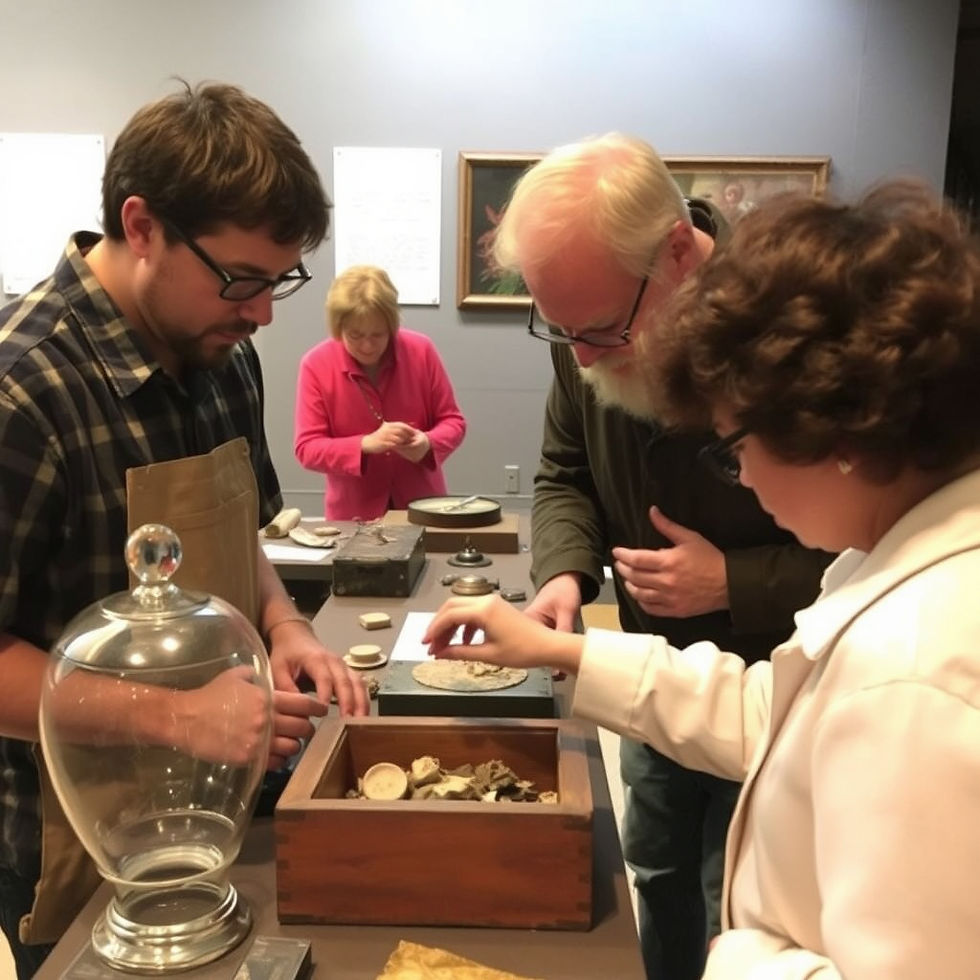
Museums, universities, and cultural institutions rely on preserved artifacts to educate the public and conduct research. When historical items are well-maintained, they become invaluable teaching tools that bring history to life. Students and researchers can study the materials, craftsmanship, and context of artifacts to gain deeper insights.
For instance, the preservation of ancient manuscripts has allowed scholars to study languages and philosophies that influenced modern thought. Similarly, preserving indigenous artifacts helps protect the knowledge and traditions of native communities, fostering respect and awareness.
The Impact on Cultural Identity and Community

Artifacts often hold deep meaning for communities, representing their heritage and shared experiences. Preserving these items helps maintain a sense of identity and pride. It also supports cultural continuity by passing traditions and stories from one generation to the next.
Consider the preservation of traditional clothing or ceremonial objects. These items are not only historical but also symbolic of a community’s values and beliefs. Losing them can mean losing a part of the community’s soul.
Challenges in Preserving Historical Items
Preserving artifacts is not without challenges. Many items are fragile and require specific conditions to prevent decay. Environmental factors like humidity, light, and temperature can damage materials over time. Additionally, some artifacts face threats from urban development, looting, or neglect.
Effective preservation requires:
Controlled environments
Skilled conservation professionals
Adequate funding and public support
Communities and governments must work together to protect these treasures from irreversible damage.
Examples of Successful Preservation Efforts
Several preservation projects highlight the importance and benefits of protecting historical items:
The Rosetta Stone: This ancient artifact unlocked the understanding of Egyptian hieroglyphs, thanks to careful preservation and study.
The Dead Sea Scrolls: Preserved in controlled conditions, these texts have provided critical insights into early religious history.
Historic buildings like the Colosseum in Rome: Restoration efforts have allowed millions to experience ancient architecture firsthand.
These examples show how preservation can transform artifacts into powerful educational and cultural resources.
How Individuals Can Help Preserve History
Preservation is not only the responsibility of institutions. Individuals can contribute by:
Supporting local museums and heritage sites
Donating to preservation funds
Learning about and respecting cultural heritage
Avoiding the purchase of looted or unverified artifacts
Every small action helps protect history for future generations.


Comments