

Understanding the Importance of Provenance in Artifact Preservation

Artifacts carry stories from the past, connecting us to history, culture, and human achievement. But without clear information about their origin, authenticity, and journey through time, artifacts lose much of their value and meaning. This is where provenance plays a crucial role. Provenance refers to the documented history of an artifact, detailing where it came from, who owned it, and how it has been preserved or transferred over time.
In this post, we will explore why provenance matters deeply in artifact preservation, how it supports authenticity, legal ownership, and cultural significance, and what happens when provenance is missing or unclear. We will also look at practical examples and best practices for maintaining provenance in collections.
What Provenance Means for Artifacts
Provenance is more than just a record of ownership. It is a comprehensive history that includes:
The original place and context where the artifact was found or created
The chain of custody, including all previous owners or institutions
Documentation such as purchase receipts, exhibition records, or scholarly references
Any restoration or conservation work done on the artifact
This information helps establish the artifact’s authenticity and historical context. Without provenance, an artifact’s story becomes incomplete, and its value can be questioned.
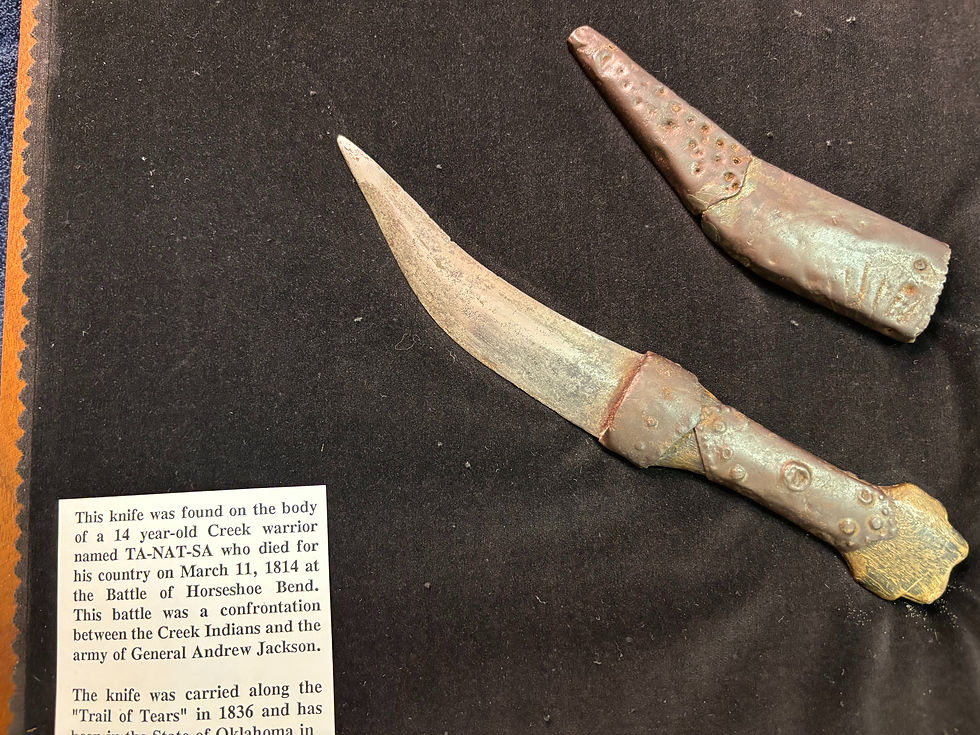
How Provenance Supports Authenticity and Trust
Authenticity is critical in artifact preservation. Collectors, museums, and researchers rely on provenance to confirm that an artifact is genuine and not a forgery or replica. Provenance provides a trail that can be verified through documents, expert analysis, and sometimes scientific testing.
For example, a painting attributed to a famous artist gains credibility if there is a clear record of its creation, sales, and exhibitions. Without this, doubts arise, and the artifact’s market and scholarly value drop significantly.
Provenance also helps prevent the circulation of stolen or illegally obtained artifacts. When ownership history is transparent, it becomes easier to identify and return artifacts that were taken unlawfully.
Legal and Ethical Importance of Provenance
Provenance plays a vital role in legal ownership and ethical stewardship of artifacts. Laws in many countries require documentation proving legal acquisition, especially for cultural heritage items. Museums and collectors must ensure that artifacts were not looted or exported illegally.
For example, international agreements like the 1970 UNESCO Convention aim to prevent illicit trafficking of cultural property. Provenance records help enforce these laws by providing evidence of lawful ownership and transfer.
Ethically, provenance respects the cultural rights of communities and nations. It acknowledges the original creators and custodians of artifacts, supporting efforts to repatriate items to their rightful owners when appropriate.
Consequences of Missing or Poor Provenance
Artifacts without clear provenance face several risks:
Loss of value: Buyers and institutions hesitate to invest in items with uncertain history.
Legal disputes: Ownership claims can lead to costly and lengthy legal battles.
Cultural harm: Artifacts may be disconnected from their cultural context, diminishing their significance.
Increased forgery: Lack of provenance encourages counterfeit artifacts to enter the market.
A famous case involved the Getty Museum, which faced criticism and legal challenges over artifacts with questionable provenance. This example highlights how missing provenance can damage reputations and lead to the loss of important cultural objects.
An ancient pottery shard displayed with provenance documentation ensures its authenticity and historical context.
Best Practices for Maintaining Provenance
Maintaining clear provenance requires careful documentation and management. Here are some practical steps:
Record details at acquisition: Note the source, date, and context of acquisition immediately.
Keep all documents: Preserve bills of sale, certificates, photographs, and correspondence.
Use digital databases: Catalog provenance information in secure, searchable systems.
Update records: Include any restoration, exhibition, or loan history.
Verify provenance: Conduct due diligence before acquiring artifacts, consulting experts if needed.

Museums and collectors who follow these practices protect their collections’ integrity and support research and education.
Provenance in the Digital Age
Technology offers new tools to enhance provenance tracking. Blockchain, for example, can create tamper-proof records of ownership and transfers. Digital archives make it easier to share provenance information globally, increasing transparency.
However, digital records must be backed by physical documentation and expert verification to avoid errors or fraud.
Provenance and Cultural Heritage Preservation
Provenance connects artifacts to their cultural origins, helping preserve intangible heritage such as traditions, beliefs, and craftsmanship. It allows communities to reclaim their history and identity.
For instance, indigenous groups often seek the return of artifacts taken without consent. Provenance documentation supports these claims and fosters respectful collaboration between institutions and communities.


Comments